Ventimiglia
Proposta di variante al PUC + Ex art.89 2023 - Oneworks, AIStudio, Geologia, Geotecnica
Role: Project Architect
What did I do?
Developed initial concept design, assistance in all technical aspects, 3d model and some visuals, coordination with external consultants.
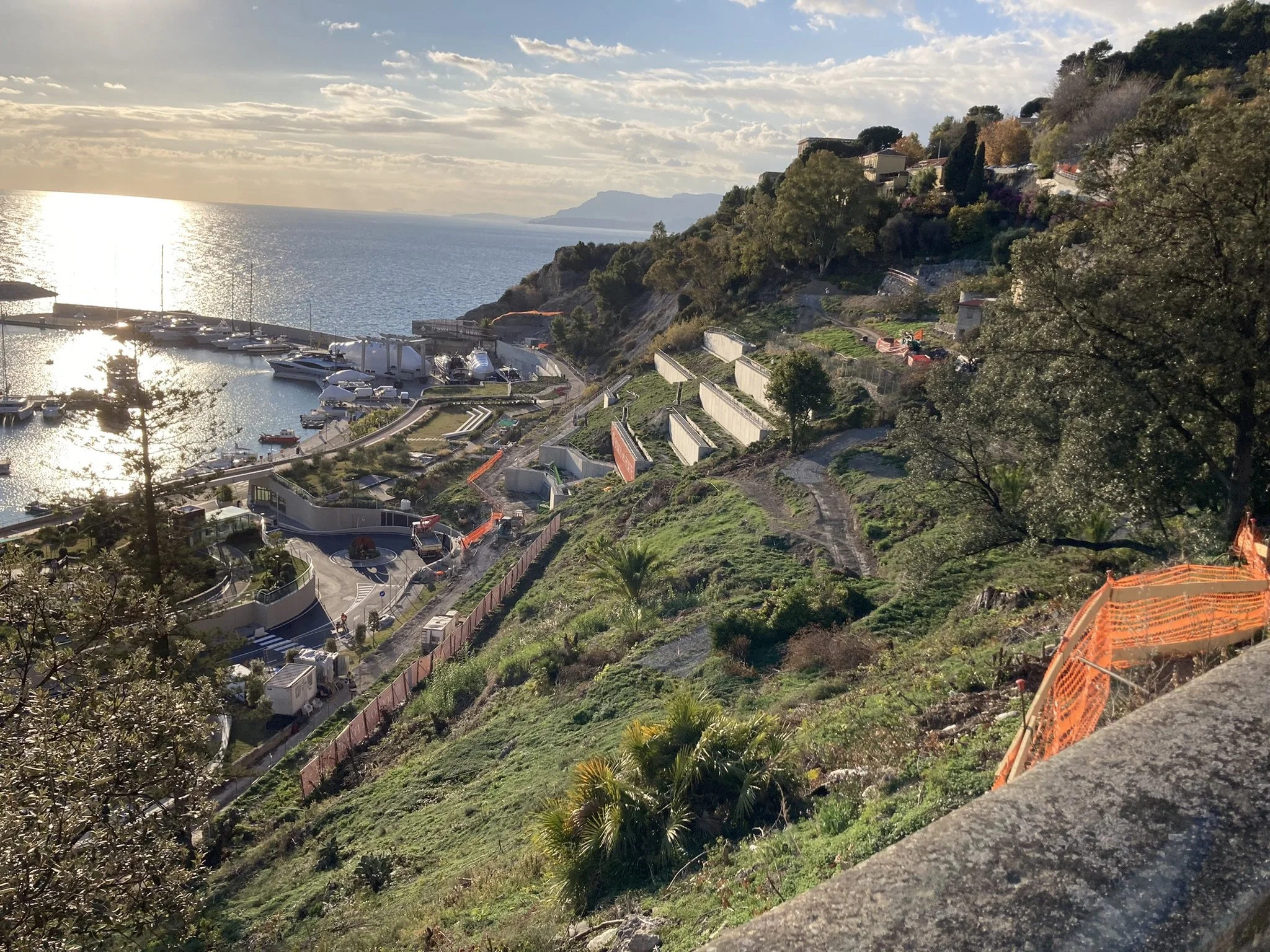

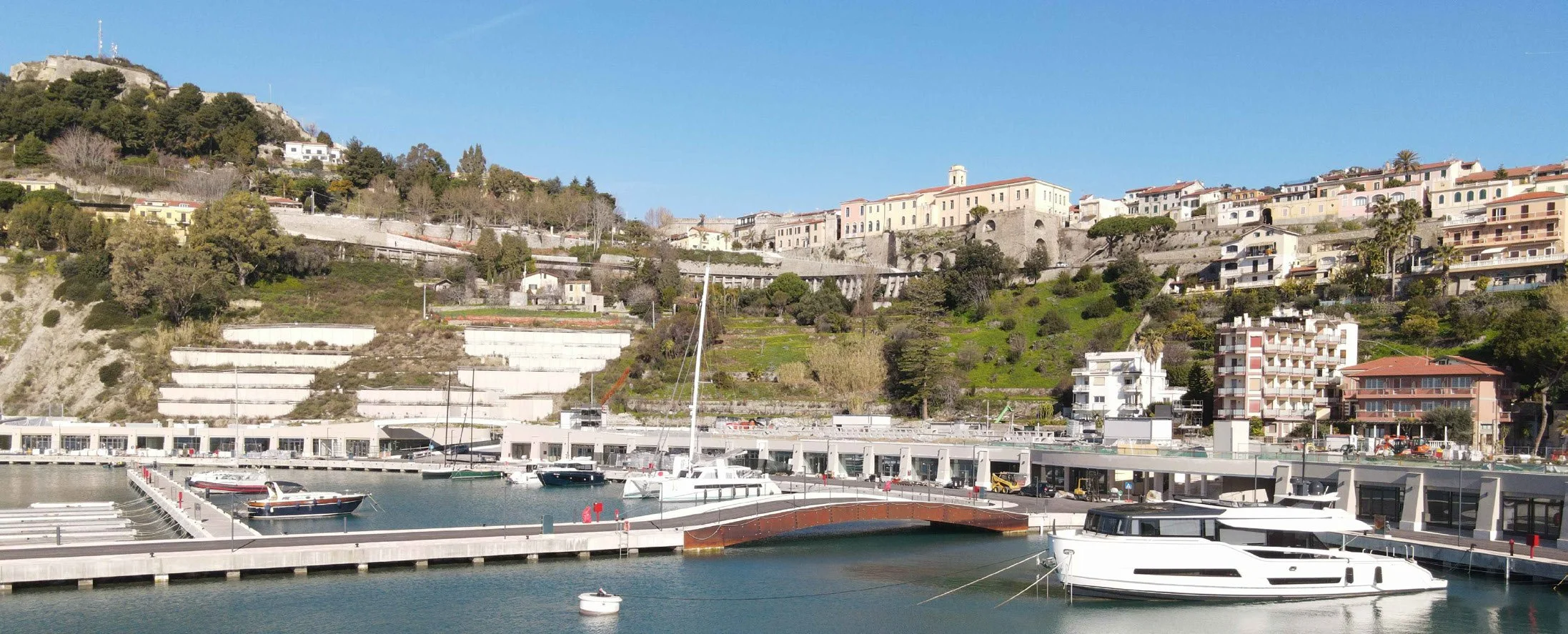
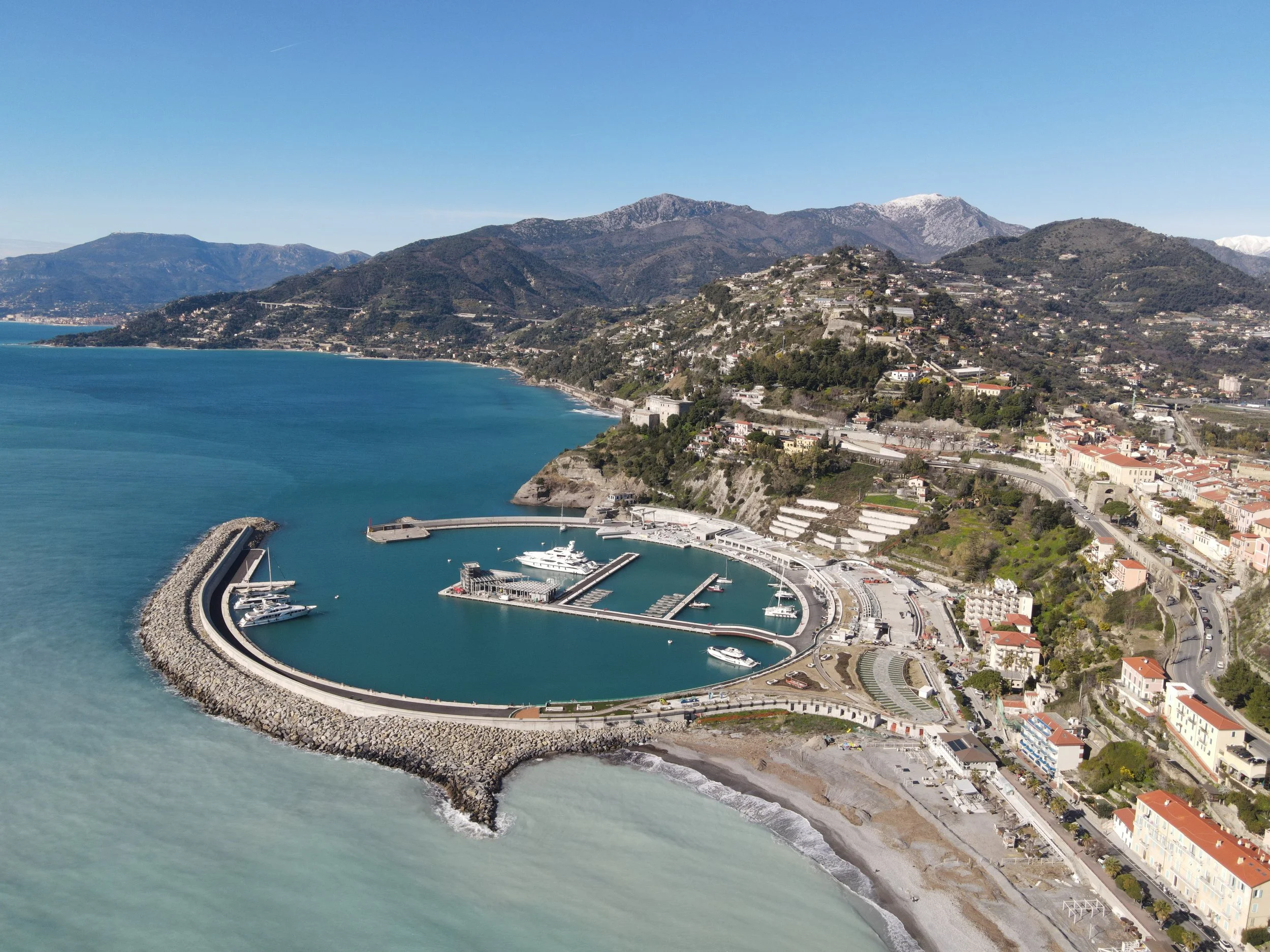
The intervention area of the Ventimiglia waterfront is shaped like a vast natural amphitheater, located between the historic center and the new marina. The project aimed to update the Municipal Urban Plan (PUC) and required regional approval, as the intervention affected a hillside area characterized by hydrogeological fragility and susceptibility to instability along certain lateral sections.
The proposal therefore focused on urban planning and hydrogeological aspects, as well as on the development of commercial areas that include residential and hotel facilities envisioned in the master plan.
The main challenge was to design a terraced development spread along the slope, as an alternative to the previous proposal of a single, more imposing building concentrated at the base. This approach significantly reduces the visual and environmental impact of the project, ensuring a more harmonious integration with the surrounding landscape.
To achieve this, an in-depth study of the hillside sections and existing drainage channels was carried out, exploring various solutions aimed at minimizing the impact of the new constructions while simultaneously improving slope stability through the use of draining retaining walls.
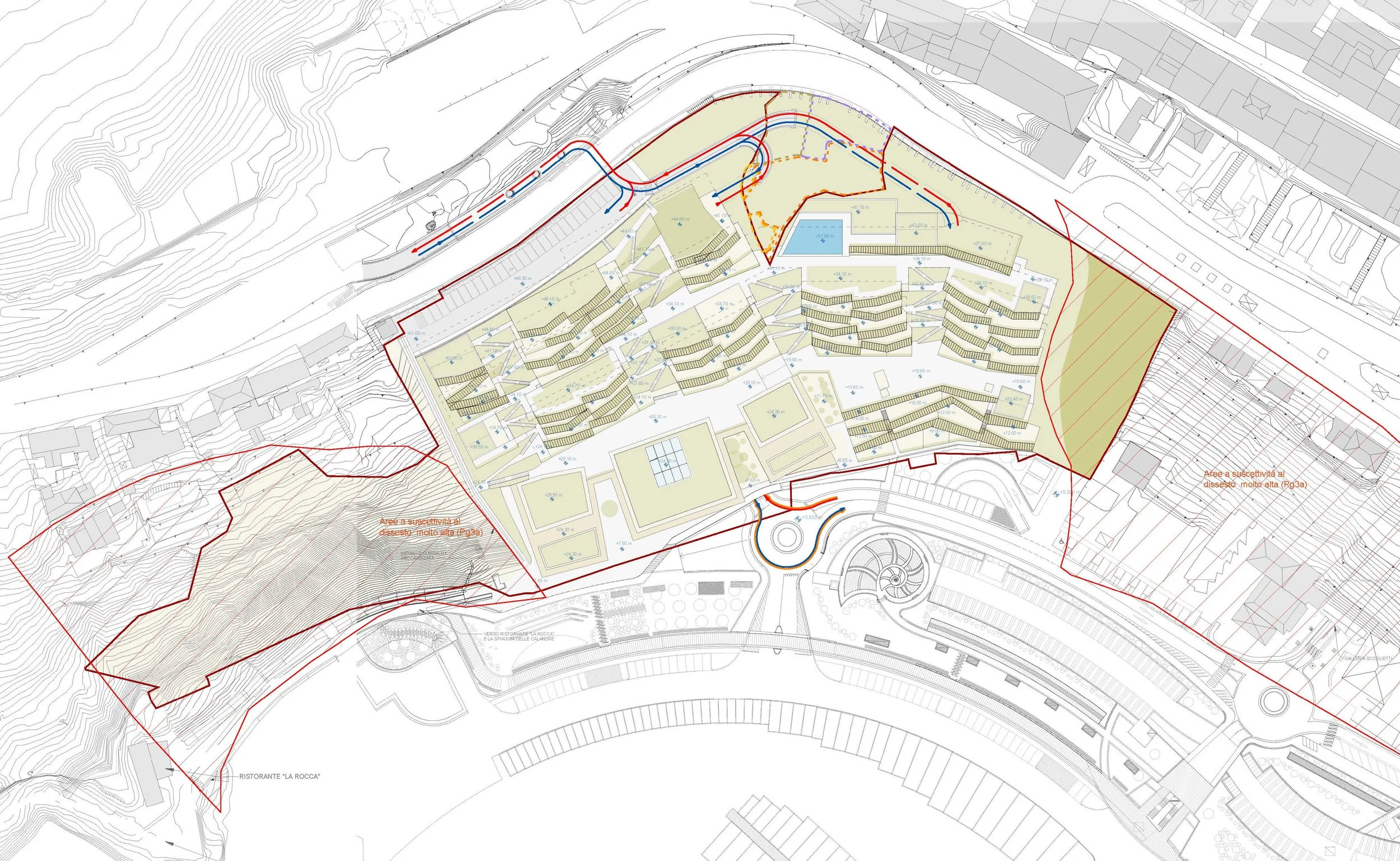

The site area of the Ventimiglia waterfront takes the form of a vast natural amphitheater, positioned between the historic center and the new marina. The project sought to update the Municipal Urban Plan (PUC) and required regional approval, as it involved a hillside area marked by hydrogeological fragility and localized risks of instability along its lateral slopes.
The proposal therefore concentrated on urban planning and hydrogeological strategies, as well as on the development of commercial zones that include residential and hospitality facilities envisioned in the master plan.
The primary challenge lay in designing a terraced system distributed along the slope—an alternative to the earlier concept of a single, large-scale building concentrated at the base. This approach allows for a substantial reduction in both the visual and environmental impact of the intervention, achieving a more balanced and sensitive integration within the landscape.
To realize this objective, an extensive study of the hillside sections and existing drainage channels was undertaken, evaluating multiple design solutions aimed at minimizing the impact of new constructions while enhancing slope stability through the use of draining retaining walls.
The rest of the project can be found here.