Centro commerciale a Segrate
Permesso di Costruire + Varianti 2023-ongoing - Oneworks, Deerns, HB, ESA, P’arcnouveau, Antincendio, EOC
Role: Project Architect
What did I do?
Competition, concept development, design options, presentations, facade study, team management, coordination with external consultants.
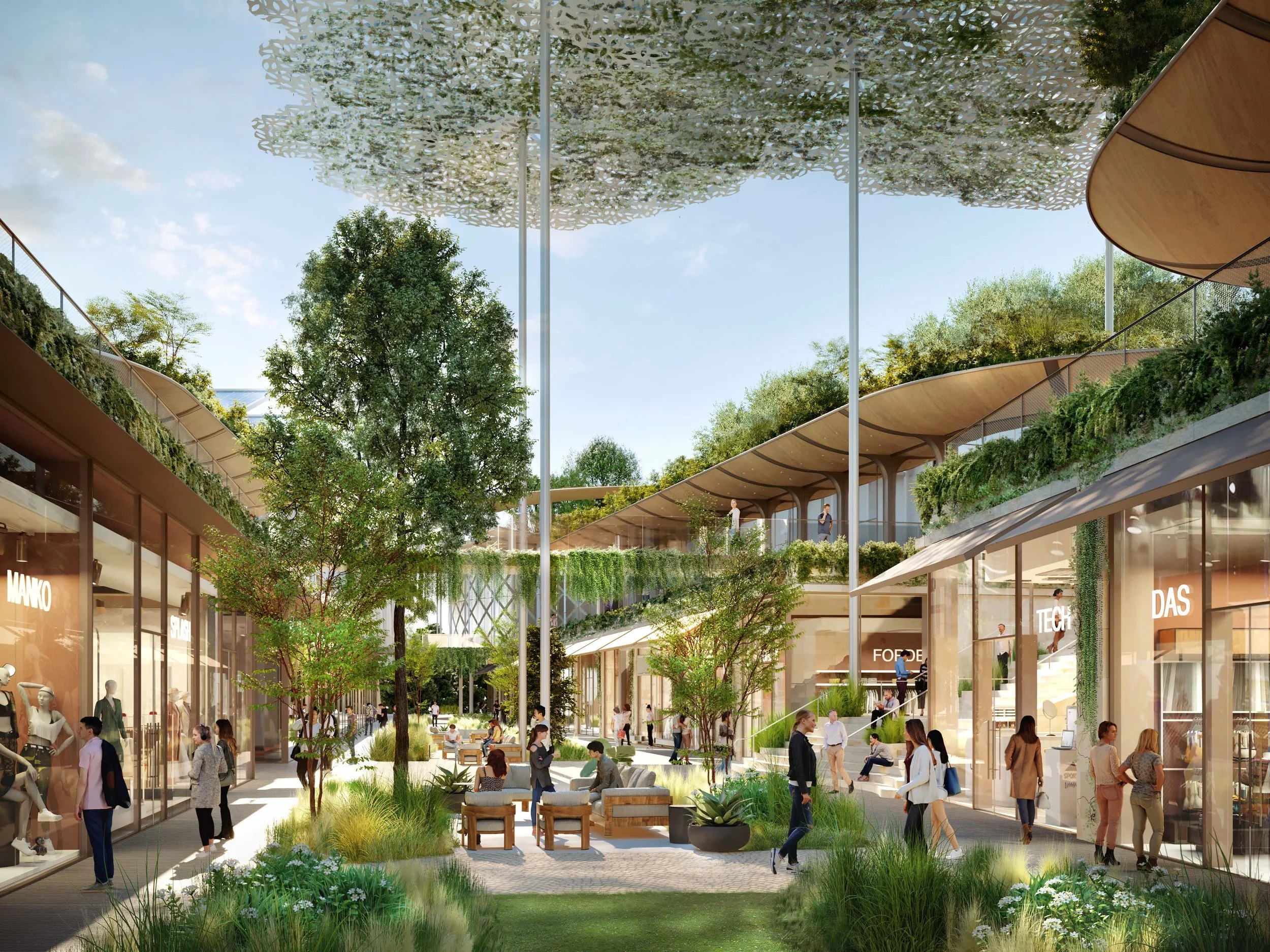
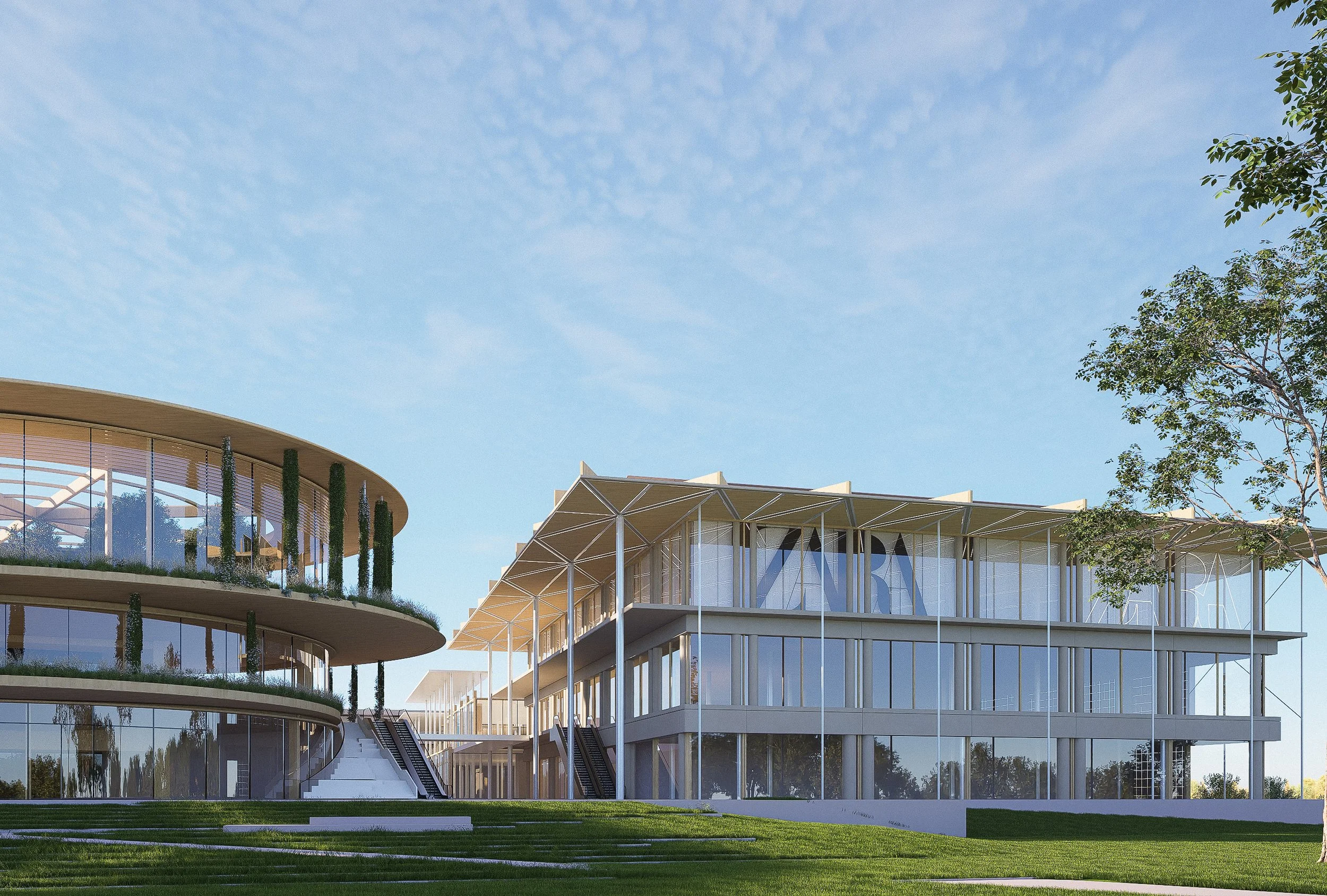
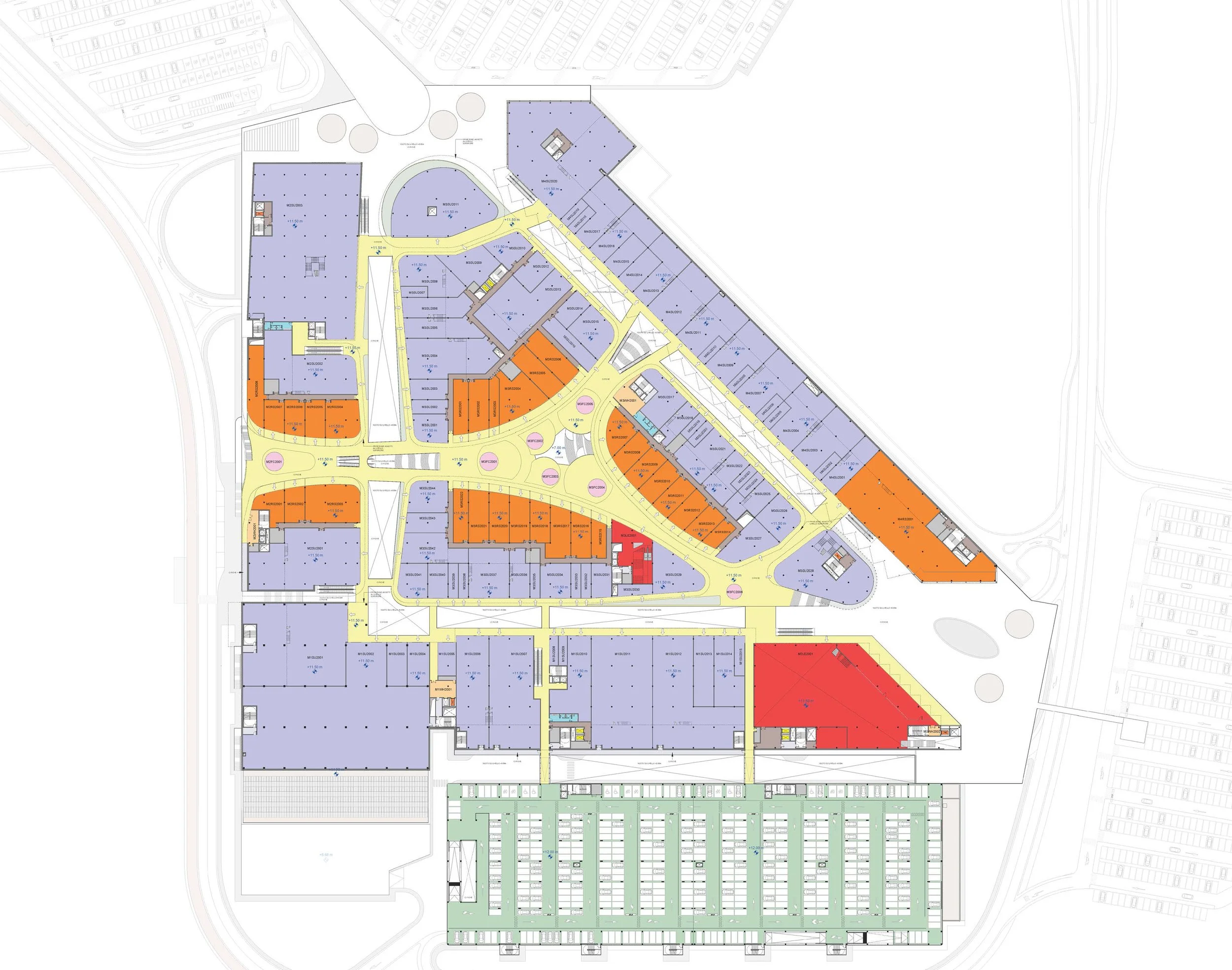
Awarded through a competition in 2023, this project for a shopping center near Milan comprises approximately 110,000 sqm of gross floor area distributed over five above-ground levels, one of which is dedicated to parking, within a site area of 60 hectares.
Developed for a major multinational company in the sector, the project has undergone several stages of evolution and refinement, shaped both by key market players and by internal forecasts and analyses.
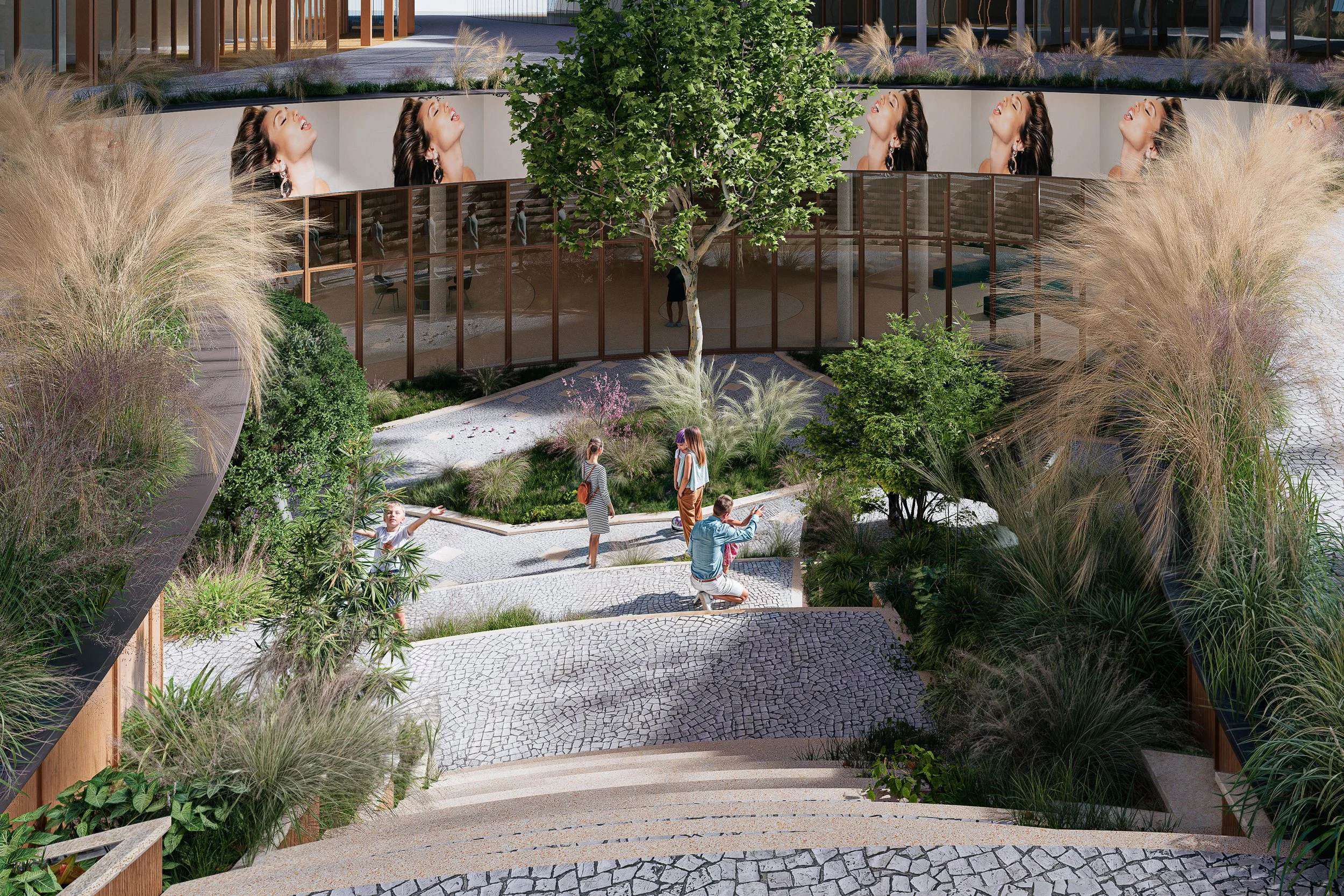
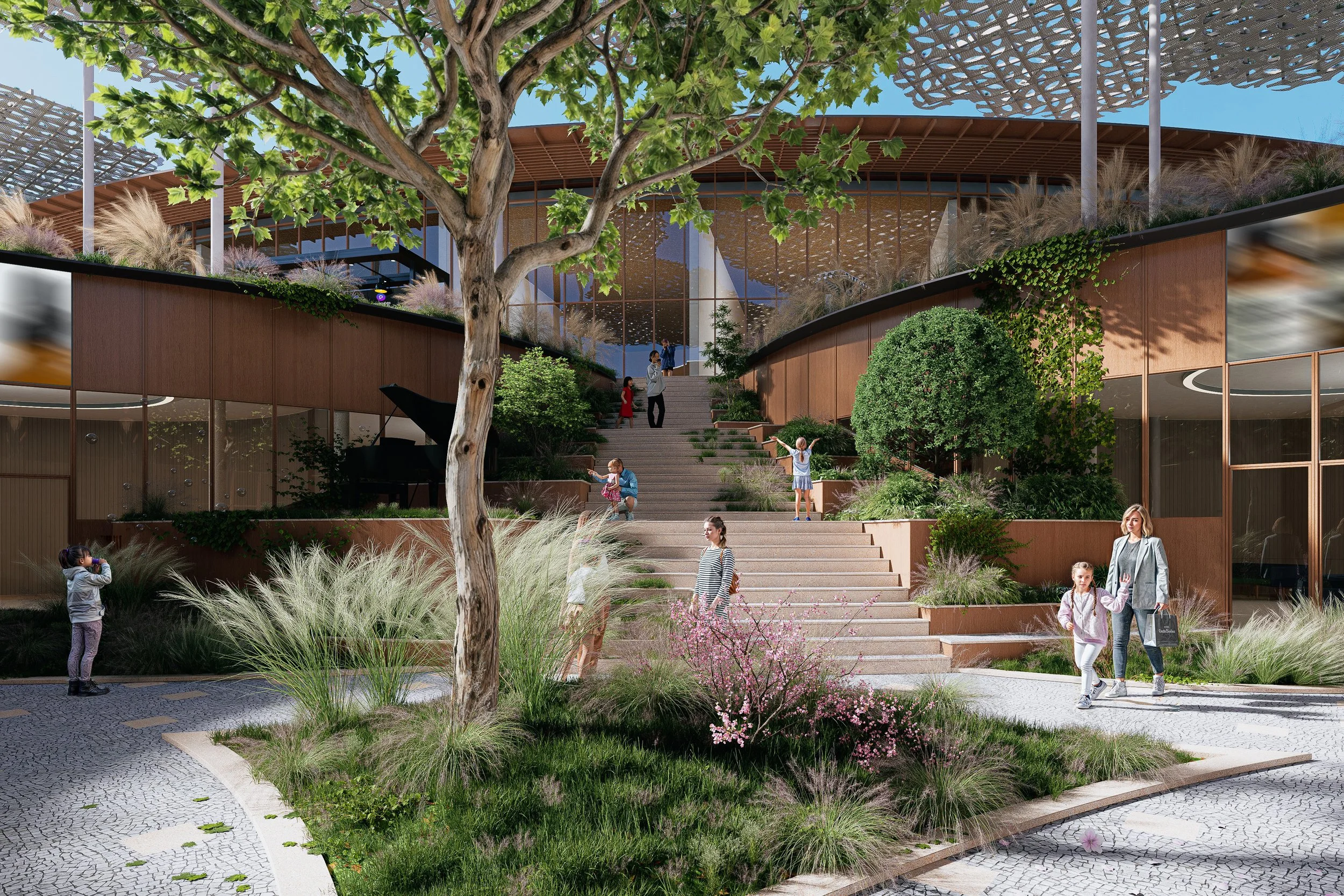
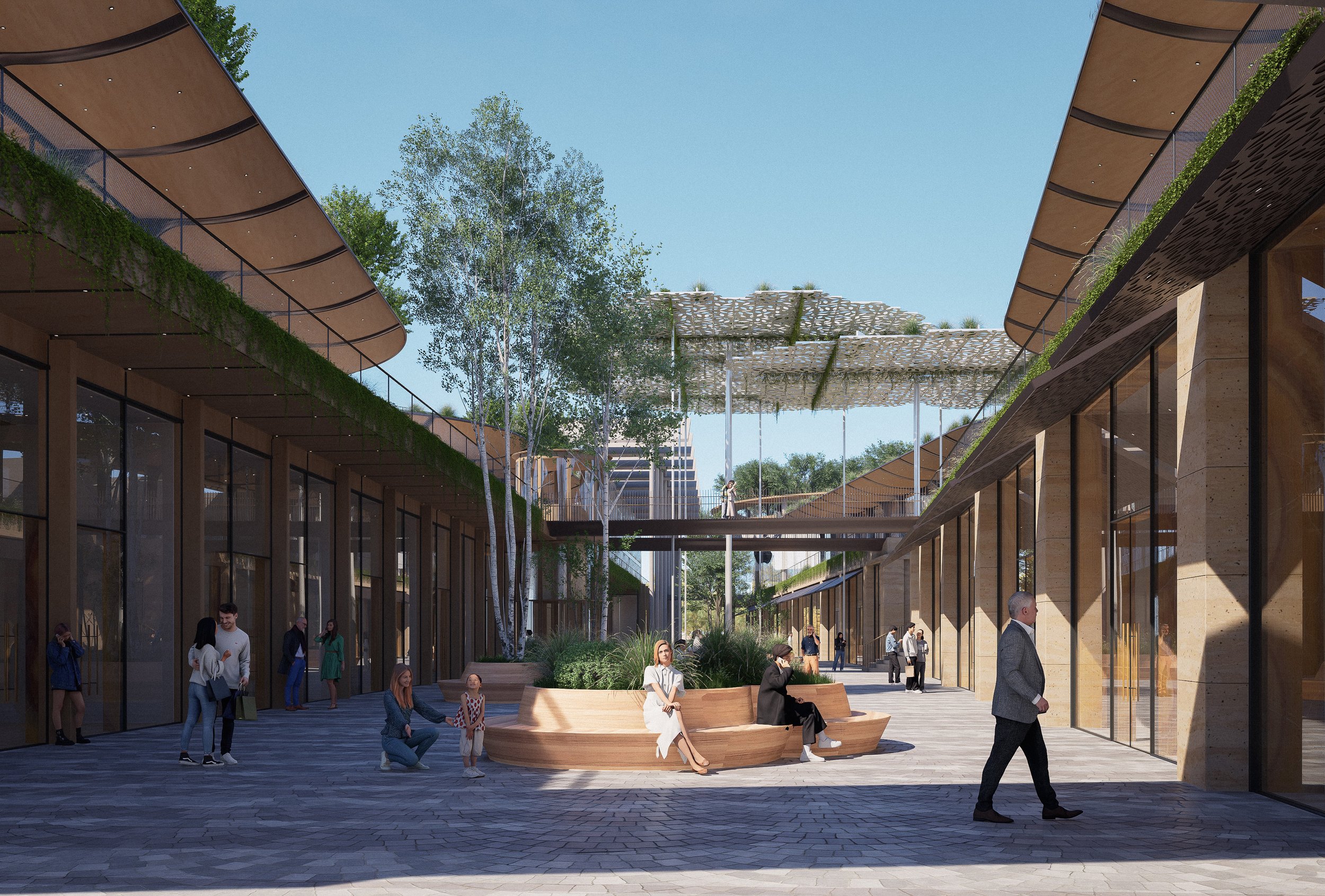
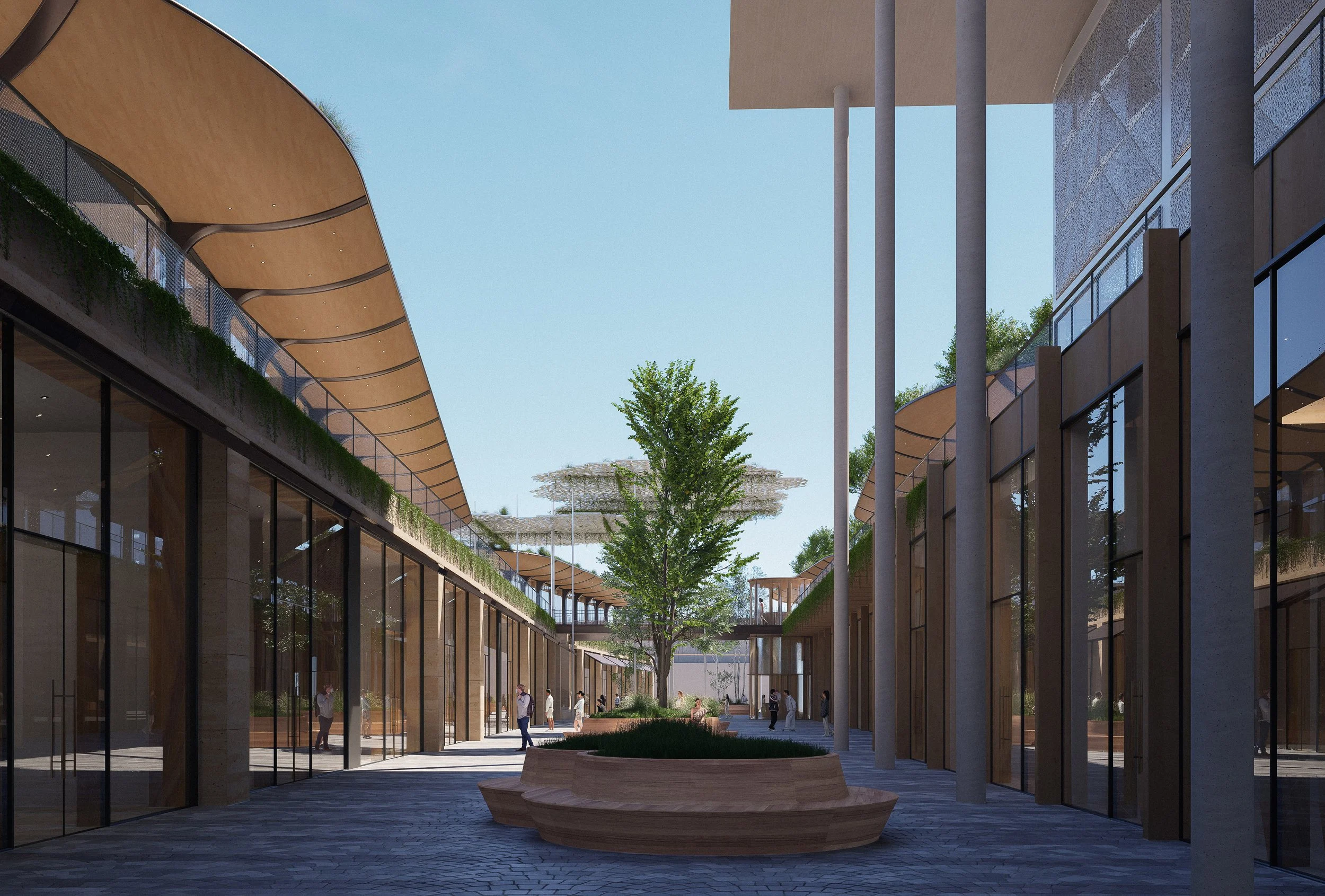
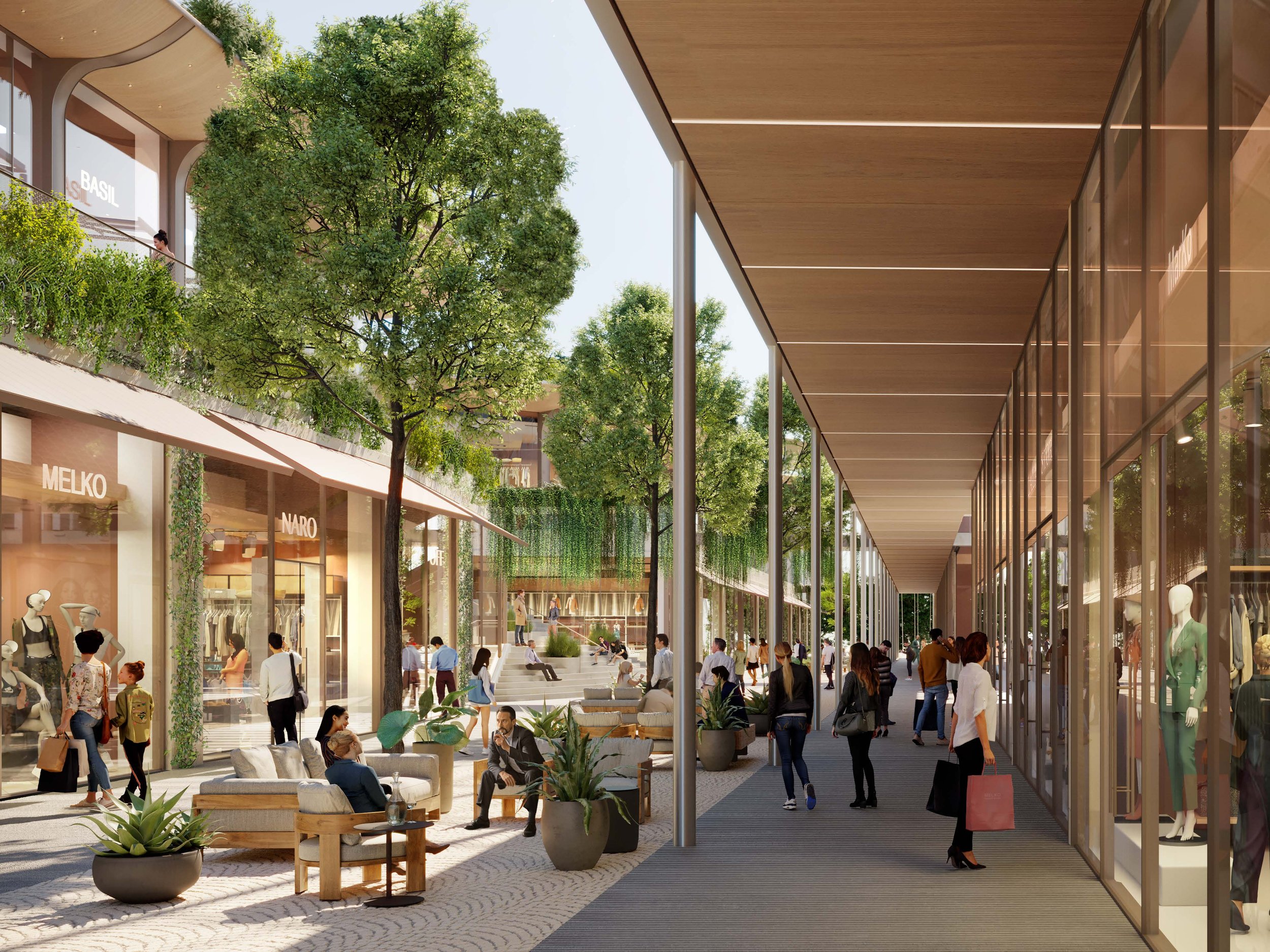
The main concept—quite unconventional for this typology—was to conceive the shopping center as an urban boulevard: open-air malls, naturally ventilated spaces, and abundant trees and greenery, recreating the atmosphere of a city center.
This approach presented significant challenges in ensuring user comfort, yet it also led to the development of a new model and a more innovative, engaging vision of what the shopping center of the future could be.
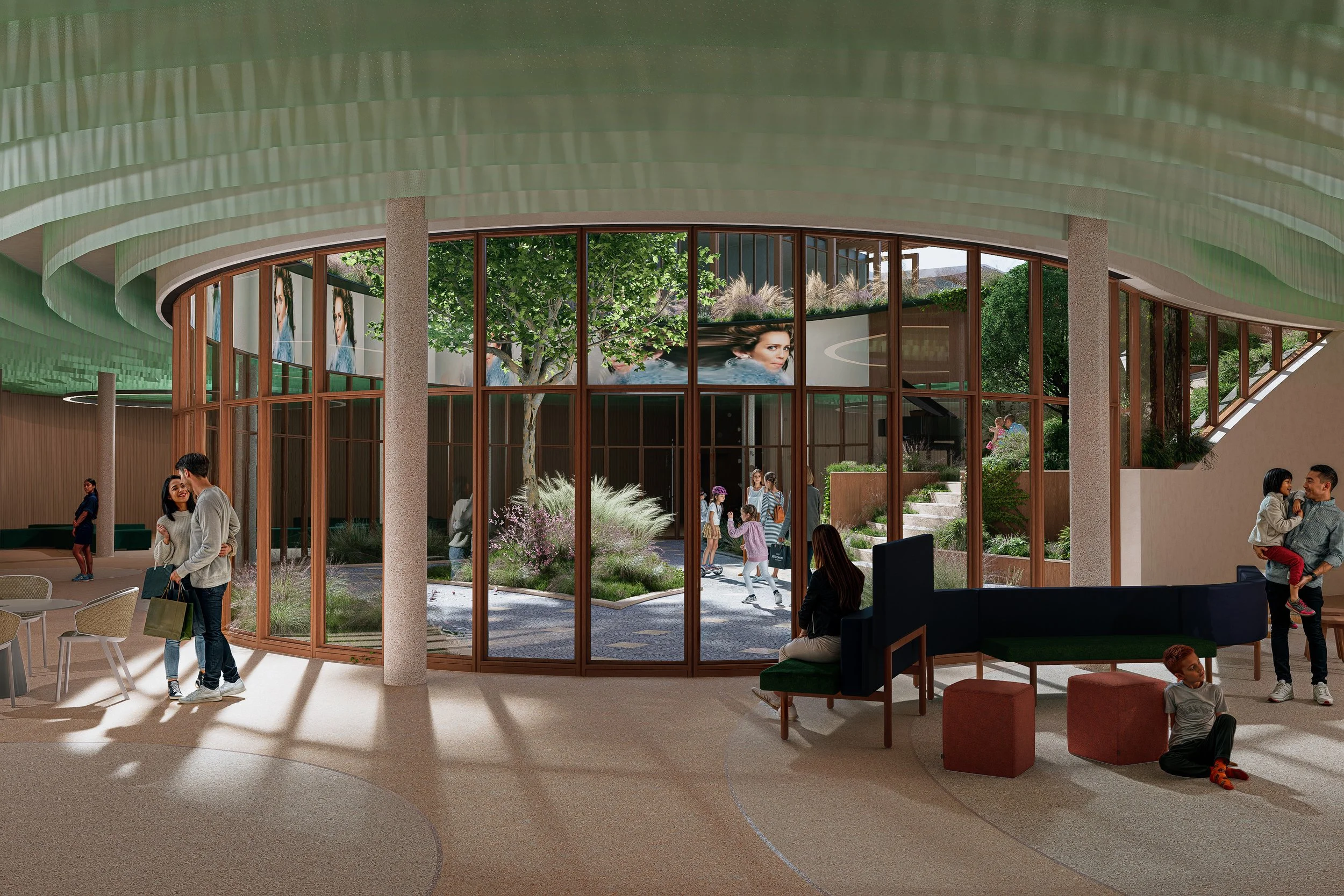
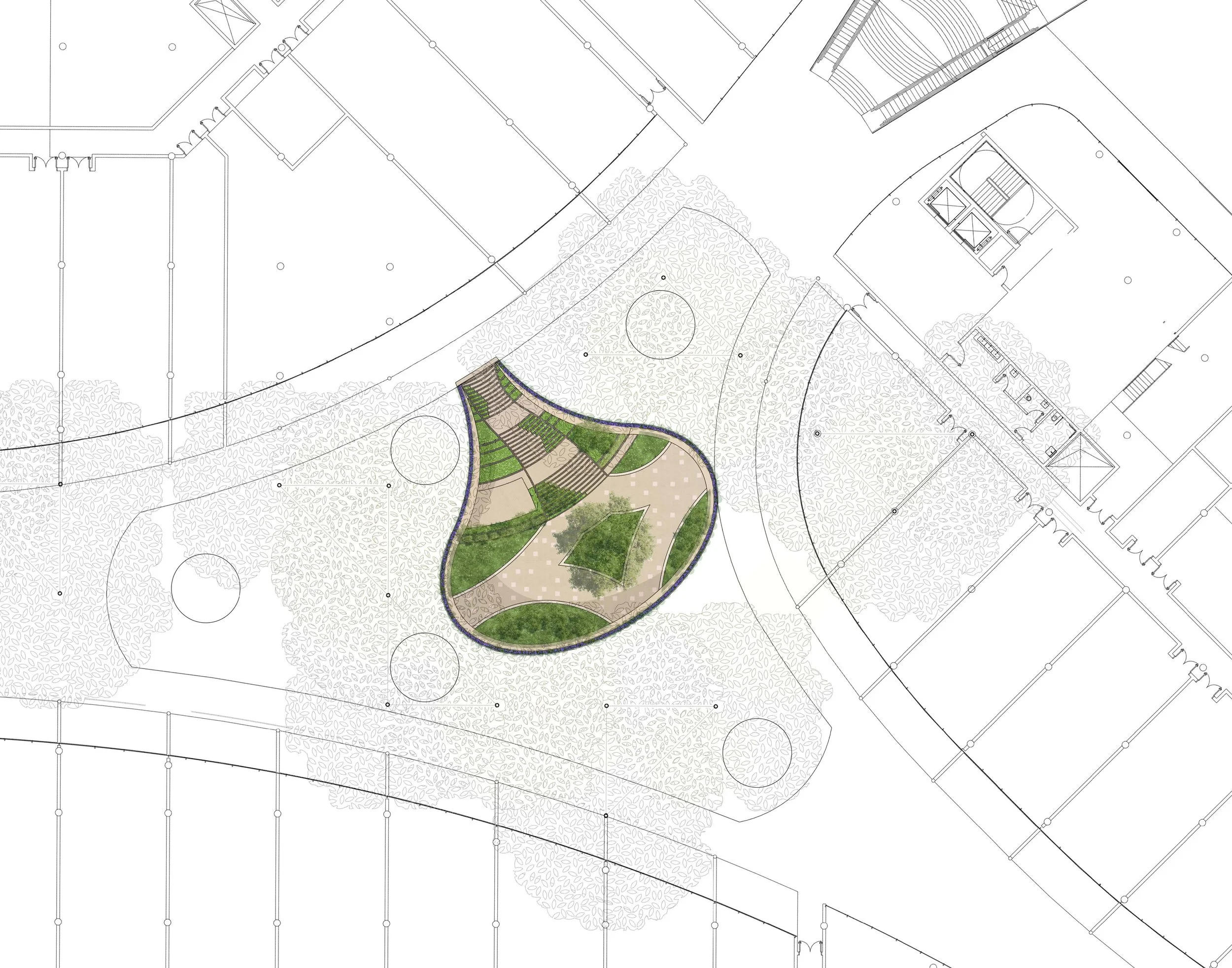
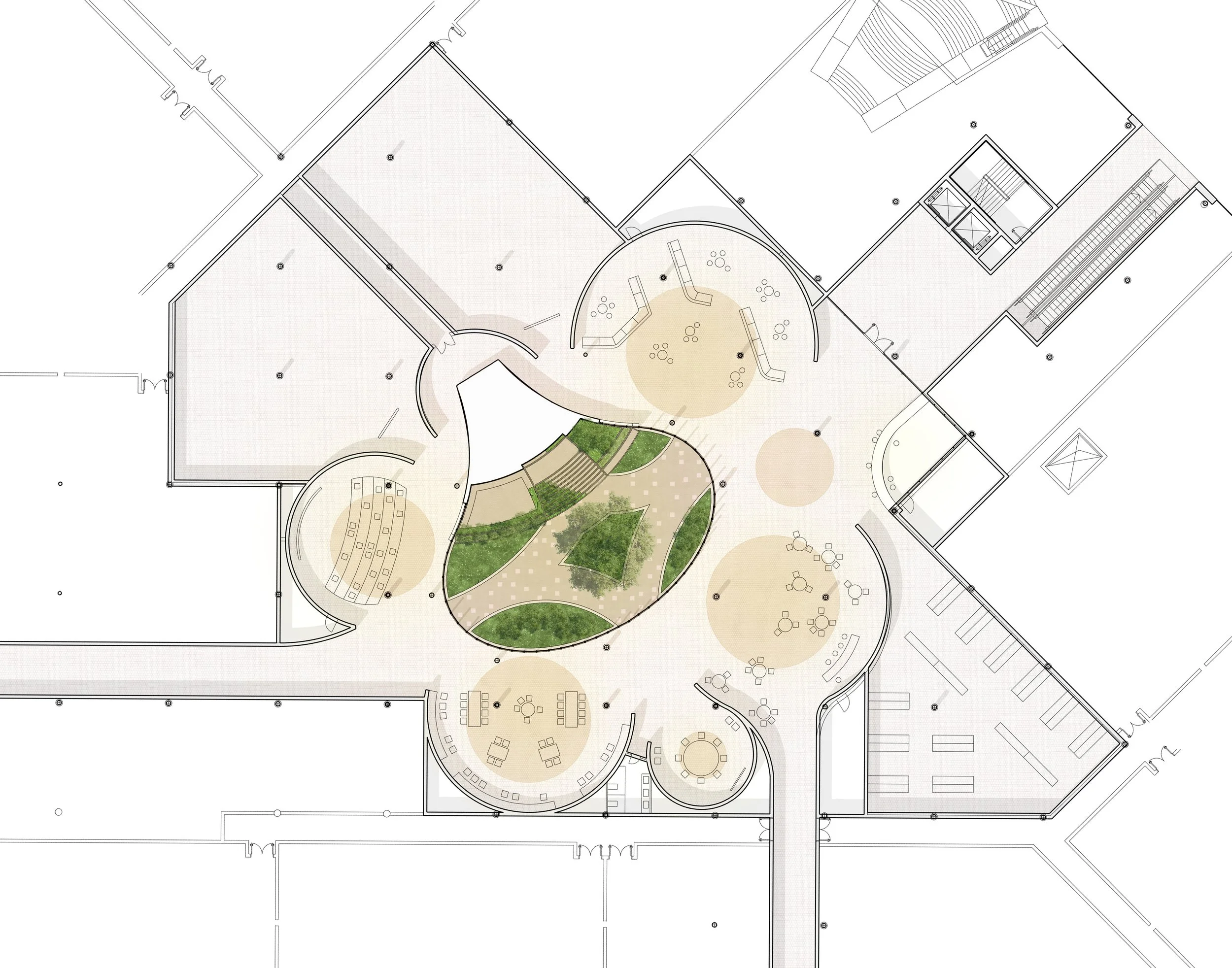
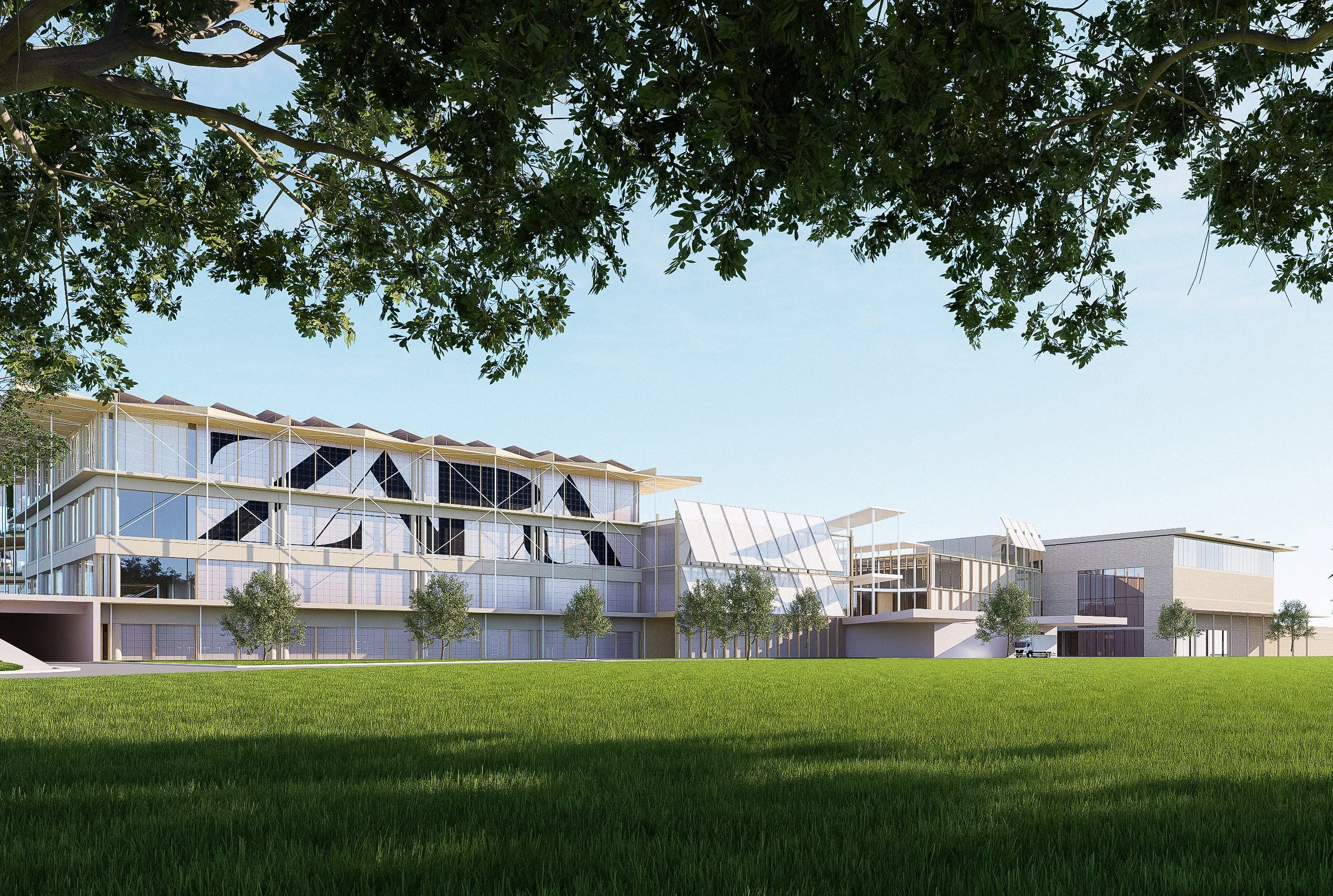
A continuous and constantly evolving design effort has been dedicated to the façades and elevations of the buildings. The work ranged from the study of roof structures designed to provide protection from sun and rain over the open-air mall spaces, to the development of the main entrances from the north and south plazas—each conceived as a distinctive and iconic gateway—up to the definition of special areas such as the internal lounge, strategically located at the heart of the food court. For each of these contexts, an extended process of refinement, modification, and evolution took place over several months, with the goal of enhancing both the spatial quality and the architectural and landscape identity of the project as a whole.
The use of natural materials, together with soft, curved forms and the integration of natural elements such as trees and planters, has contributed to shaping the image of a shopping center that breaks away from conventional typologies. At the same time, the design remains faithful to the essential logic of a retail complex, with its sequence of interconnected malls and its shopfronts that maintain constant visibility and openness toward public areas. More info here.
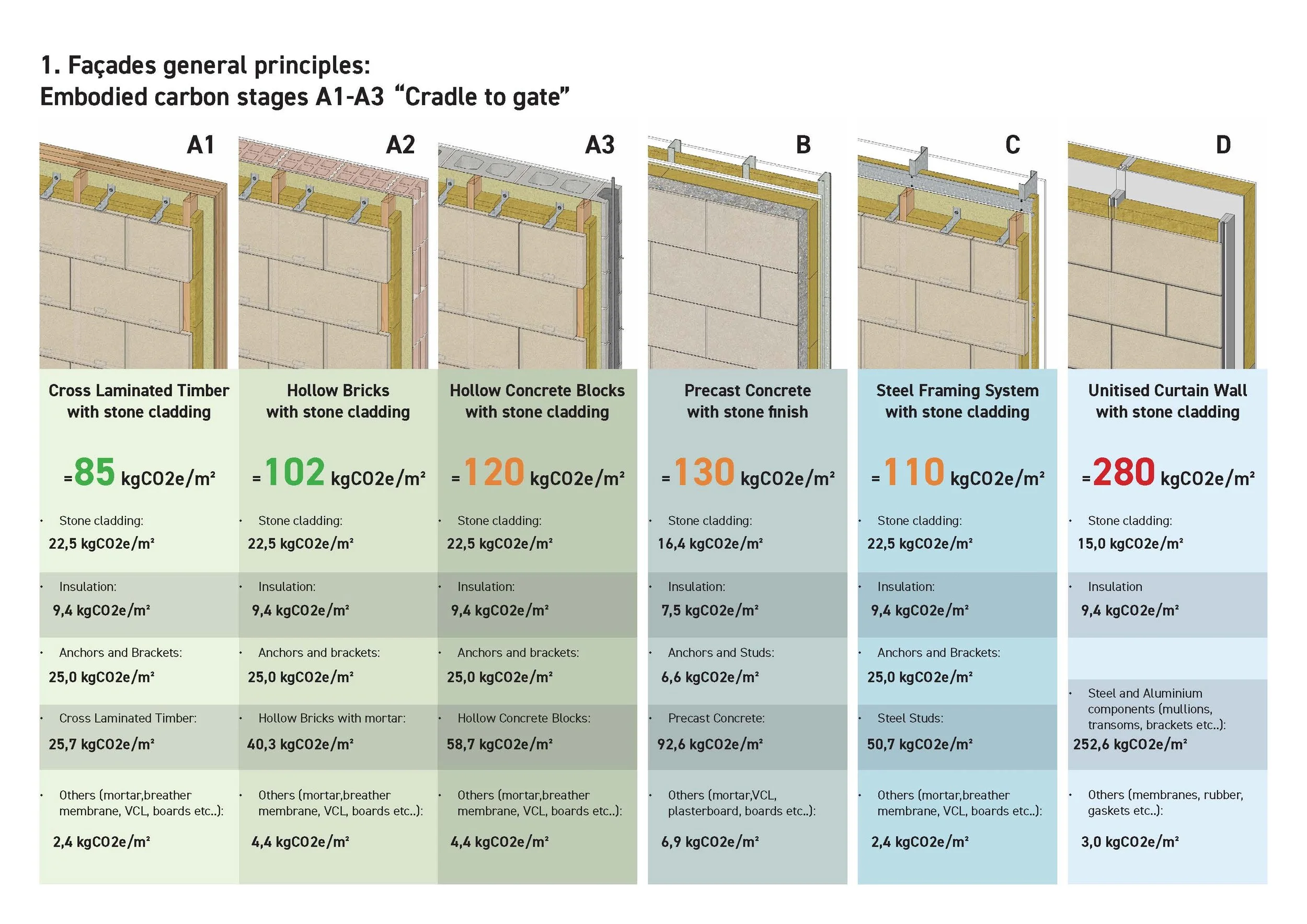


The study of the façades for the various buildings within the project—each characterized by a distinct and carefully defined architectural identity—was developed around the key objective of minimizing energy consumption and carbon footprint. This environmental consideration was established as the primary and most influential criterion in determining the façade systems, both in terms of their technological configuration and construction logic, as well as their materiality and surface finishes.
A series of alternative wall build-ups were analyzed, exploring different structural and envelope solutions, ranging from cross-laminated timber (CLT) back-walls to highly engineered unitized curtain wall systems. For each proposed configuration, the total embodied carbon (A1–C4) was calculated, providing a comprehensive assessment of the environmental impact throughout the full life cycle of materials—from extraction and manufacturing to construction, use, and end-of-life scenarios.
This quantitative analysis, integrated with a detailed evaluation of construction and maintenance costs, served as a decision-making tool for identifying the most efficient and context-appropriate façade system for each building typology within the project. The process ensured that aesthetic, functional, and environmental performance objectives were consistently balanced, leading to a design approach that is both architecturally coherent and environmentally responsible.